
MuseumsMohamed Ali’s Alexandria and after

The Hydrobiological Museum

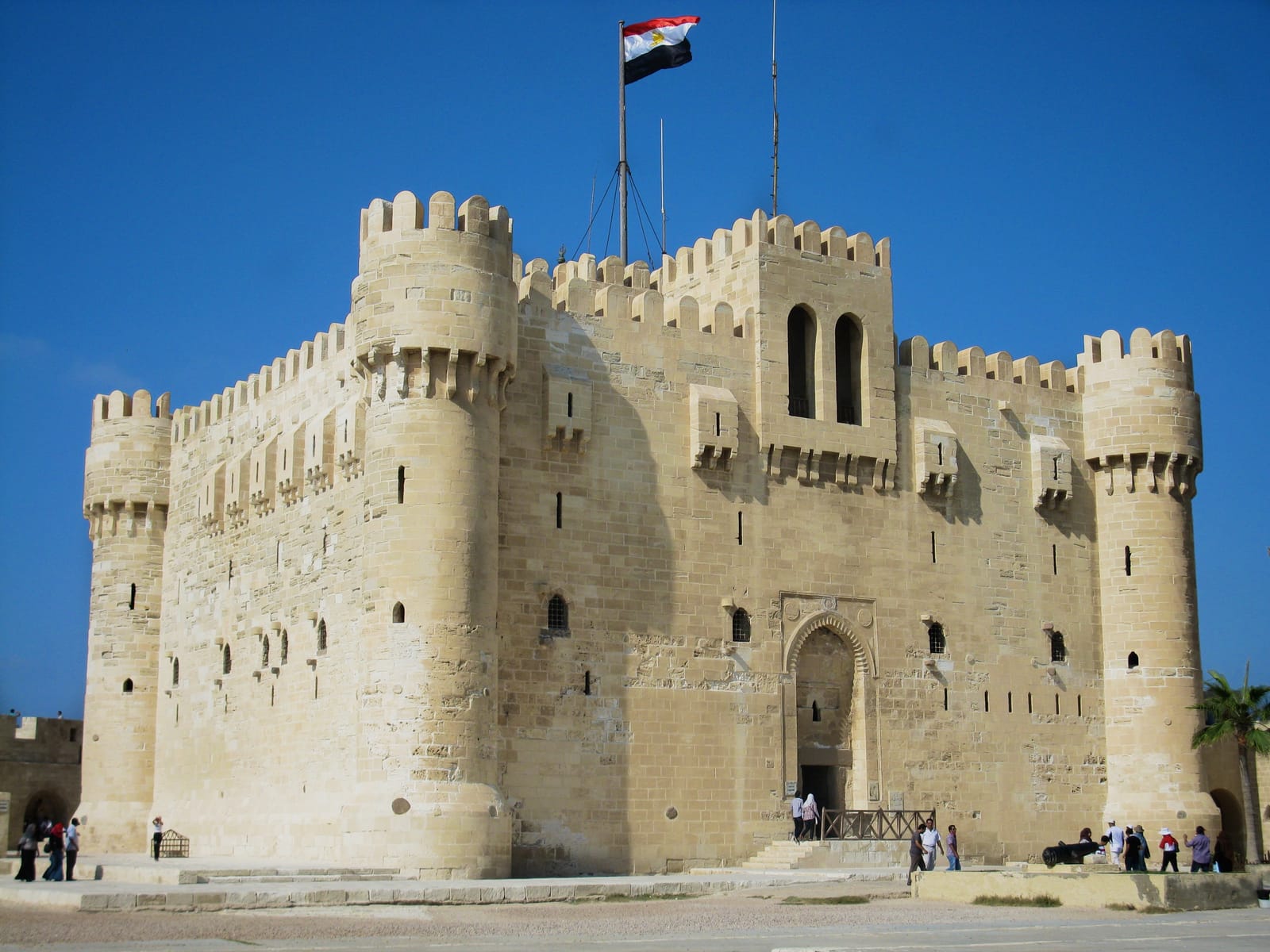
A museum in part of the marine institute beside Qaitbay Citadel; the institute was founded in 1918, and the museum holds a rare collection of preserved and living fish and sea life.

The story

What sets it apart

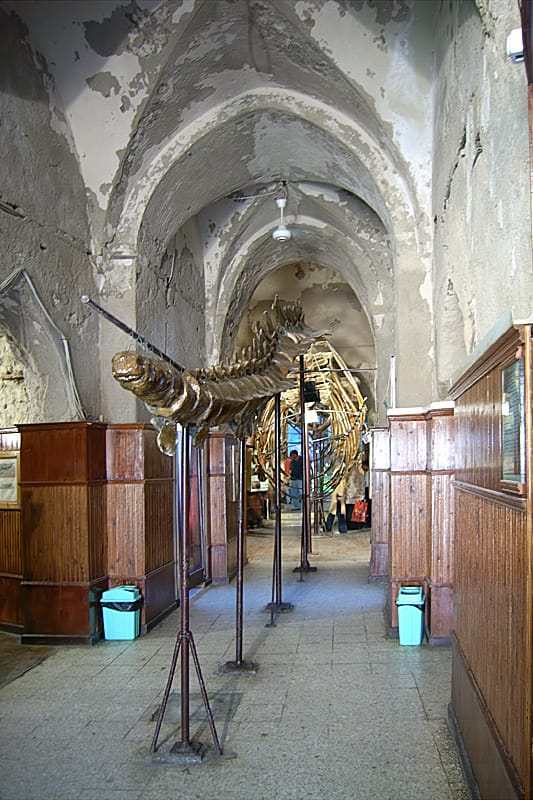
A whale skeleton under old vaults beside the citadel.

  • 1The whale skeleton in the hall
  • 2The tanks of living fish
  • 3The preserved collections

The district’s page on the governorate portal (2010) says the museum is at El Anfoushi beside Qaitbay Citadel, and that the institute was founded in 1918 to oversee the fisheries and to study the life of Egypt’s seas and lakes: fish, plants, sponges and shells.

The museum takes up part of the institute and holds a rare collection of preserved and living fish and other sea life.
Mohamed Ali’s Alexandria and after1800–1952

Its place in time

  1. Before itRas El Tin PalaceBegun in 1834
  2. This landmarkThe Hydrobiological MuseumThe institute founded in 1918
  3. After itThe Naval Unknown Soldier Memorial1933, the Unknown Soldier memorial from the 1960s

On the timeline of all the landmarks

Memories of the place

Every memory is taken from a published, documented source, named under it.

  1. 1918

    The institute was founded to oversee the fisheries and to study the life of Egypt’s seas and lakes: fish, plants, sponges and shells.

    Source: Alexandria Governorate, El Gomrok District: «متحف الاحياء المائية» (2010; archived 29 Dec 2013)

The other memories 1
  1. As the district’s page describes it (2010)

    The museum takes up part of the institute and holds a rare collection of preserved and living fish and sea life.

    Source: Alexandria Governorate, El Gomrok District: «متحف الاحياء المائية» (2010; archived 29 Dec 2013)

Around it

  • This landmark
  • A landmark nearby: open it

Map: © OpenStreetMap contributors